
Here is your 7-Minute Sit-to-Rise Routine Cheat Sheet for: Better mobility, balance and “biological age” score.
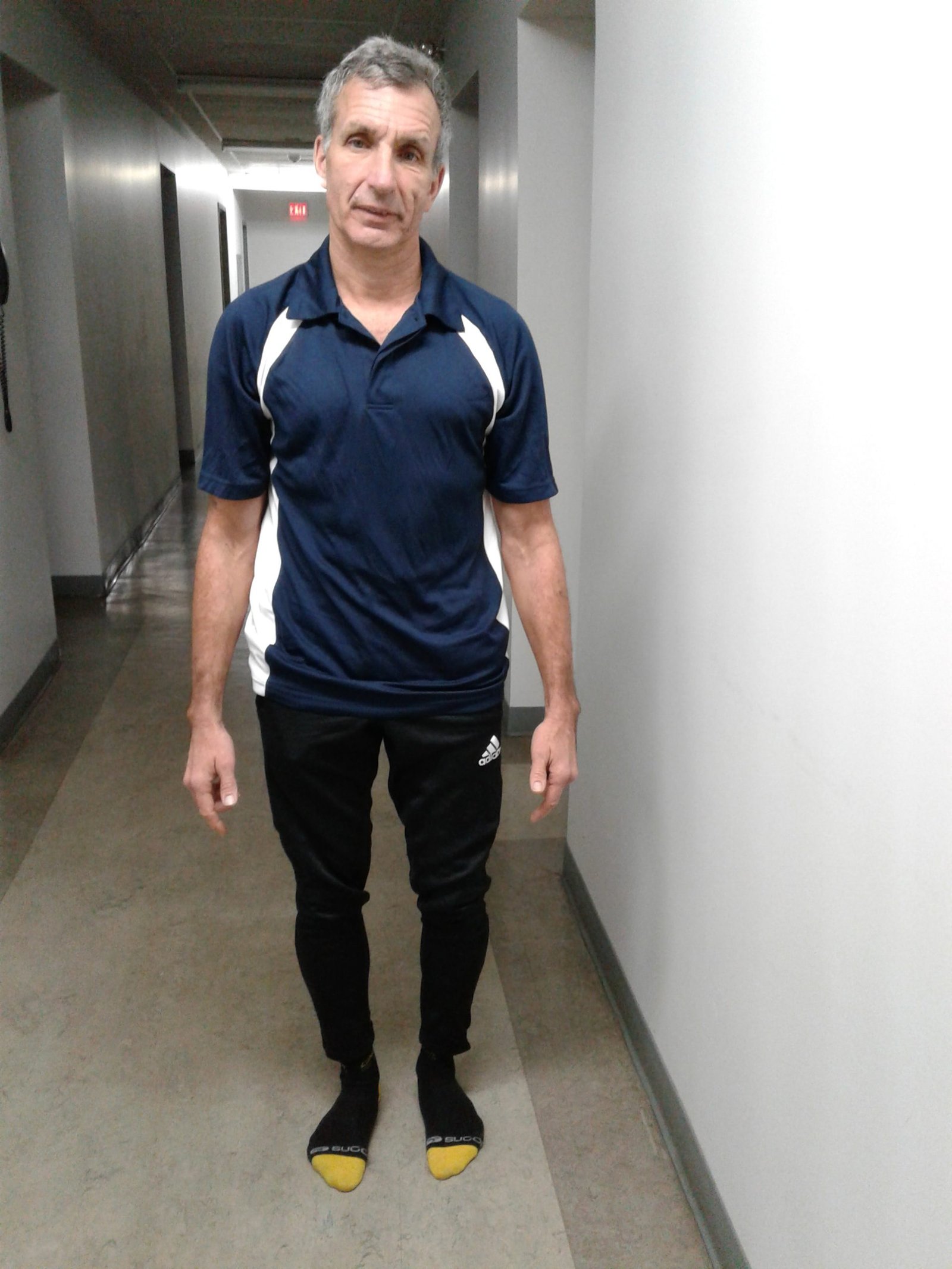
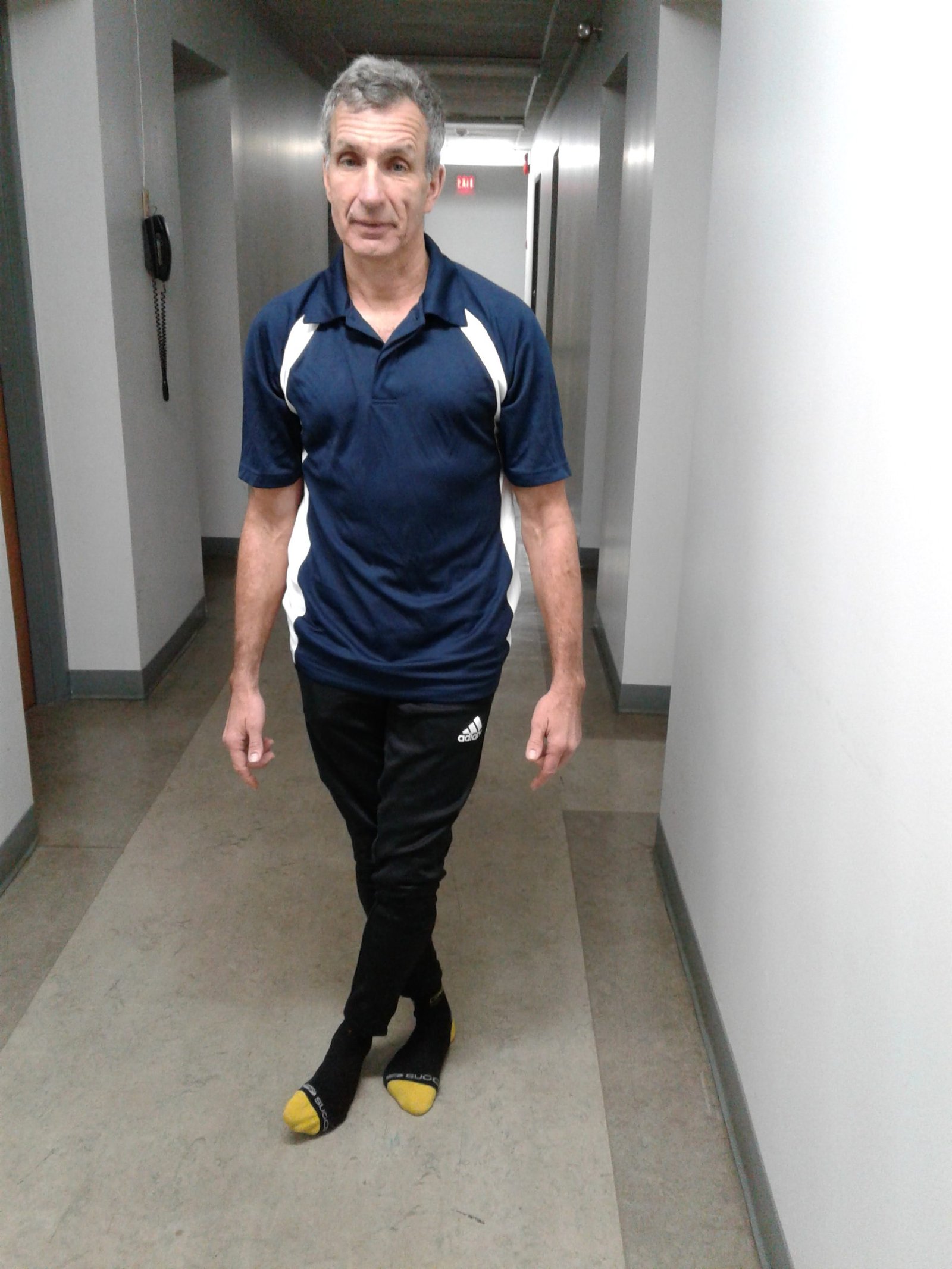
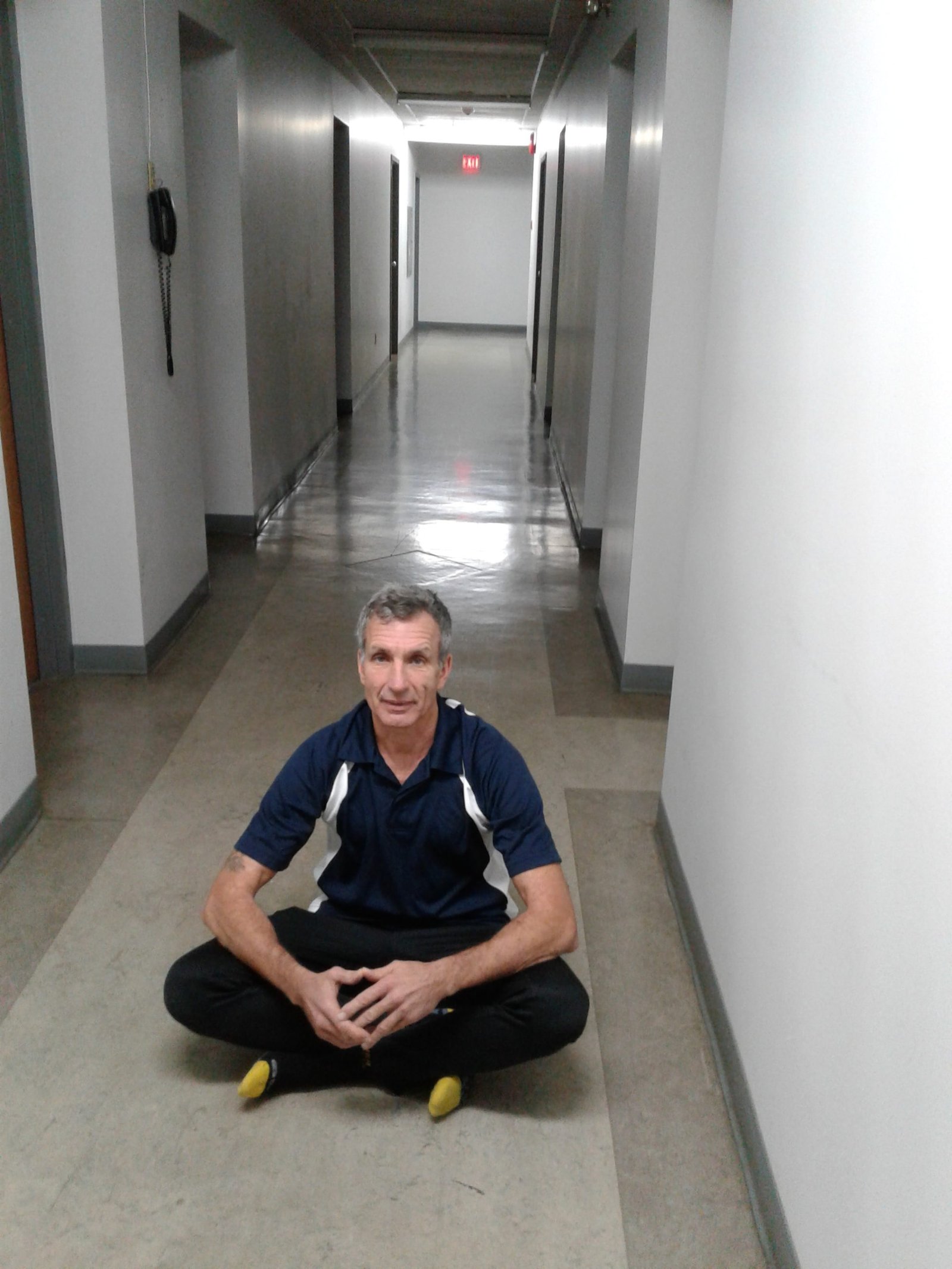
7-Minute Routine:
Sit‑to‑Rise Longevity Scorecard & 7‑Minute Daily Routine
Discover what your Sit‑to‑Rise score says about your mobility, independence, and ageing—and how to start improving it in just 7 minutes a day.
As we age, one of the strongest predictors of independence is our ability to move confidently from the floor to standing. The Sit‑to‑Rise Test is a quick way to check how your strength, mobility, and balance are ageing.
Use this scorecard to safely perform the test, record your score, and track your progress over time.
Safety note:
1. Always check with your health professional before starting a new physical activity.
2. Stop at the first sign of sharp pain or overexertion.
3. Stay close to an object of support, such as a chair or a wall.
How to Do the Sit-to-Rise Test
Choose a clear area with a non‑slippery floor.
Have a sturdy chair, wall, or countertop nearby for support if needed.
1. Stand upright with feet about hip‑width apart.
2. Cross your legs. 3. Sit Down
4. Slowly lower yourself to a seated position on the floor (cross‑legged if possible, or another comfortable position).
Try to use as little support as possible from your hands, knees, or other objects.
5. From your seated position, stand back up to a fully upright position.
Again, use as little support as possible. Have a partner or use a mirror if possible. It can be helpful to have someone watch or record you to see exactly how much support you use.
Scoring Guide
You start with a maximum score of 10 points:
5 points for sitting down
5 points for rising back up
Subtract one point for each of the following:
• Each hand used on the floor, leg, or support
• Each knee used on the floor for support
• Using your forearm or side of the leg to push off
• Using a chair, wall, or other object for support
Subtract 0.5 points for:
• Loss of balance / wobbling that nearly makes you fall
• Very noticeable instability during the movement
Your final score is out of 10.
8–10 points:
Strong mobility, strength, and balance for daily life. Keep training and maintaining these abilities.
5–7.5 points:
Moderate mobility or strength limitations. You may notice difficulty with floor tasks, stairs, or getting up from low chairs. A focused routine can help.
3–4.5 points:
Higher risk of falls and loss of independence if not addressed. Improving mobility, strength, and balance is especially important.
0–2.5 points:
Significantly reduced ability to move from the floor without support. You may need targeted help, modifications, and possibly supervision to train safely.
Personal Score Sheet
(Your Baseline Test)
Date:
Score (out of 10): __
Notes (how it felt, what you noticed):
Weekly Progress Tracker
Week Date Score /10 How It Felt (easier, same, harder?) Notes
1
2
3
4
(You can extend this table if you want a longer tracking period.)
Tip: Re‑test once per week at the same time of day, after a light warm‑up—but before you do the full 7‑minute routine.
The 7‑Minute Daily Sit‑to‑Rise Routine
General Format:
~1 minute: Gentle warm‑up
~5 minutes: 3 focused exercises (hip/leg strength + balance + floor‑to‑stand pattern)
~1 minute: Easy cool‑down/stretch
Important:
Move slowly and with control.
Pain = stop and modify.
Use support (chair, wall, counter) whenever you feel unsteady.
Page 6 – 7‑Minute Routine (Beginner Option)
Warm‑Up (1 minute)
Do each for ~30 seconds:
March in Place (Holding a Chair if Needed)
• Gently lift one knee, then the other.
• Keep posture tall, core lightly engaged.
Hip Circles
• Stand holding a support.
• Gently circle one knee/hip, then the other (small, comfortable circles).
Exercise 1 – Supported Sit‑to‑Stand (2 minutes)
Focus: Leg strength & hip mobility (no floor yet).
Sit on a stable chair with feet flat, knees over ankles.
Cross arms loosely or hold lightly onto the chair if needed.
Lean slightly forward from the hips and stand up.
Slowly sit back down with control.
Timing: 30 seconds of sit‑to‑stand, then 30 seconds rest.
Repeat for 2 rounds (total ~2 minutes)
Easier: Use a higher chair or use hands on the chair/arms to assist.
Harder: Cross arms and focus on slower, more controlled lowering.
Exercise 2 – Supported Split‑Stance / Half Lunge (2 minutes)
Focus: Balance, hip and ankle strength.
Stand next to a chair or wall, lightly holding it.
Step one foot back into a short “split stance” (like a small lunge).
Bend both knees slightly, keeping most of your weight on the front leg.
Lower a little, then push back up—small, controlled movements.
Timing:
30 seconds on right leg
30 seconds on left leg
Rest 30 seconds
Repeat one more round (total ~2 minutes)
Easier: Make the stance shorter and the movement very shallow.
Harder: Go slightly deeper (without pain) or use lighter support.
Exercise 3 – Modified Floor‑to‑Stand Pattern (2 minutes)
Focus: Practicing the movement pattern behind Sit‑to‑Rise, with support.
Option A – If You Can Get to the Floor Safely
Stand facing a chair.
Place hands on the chair, step one leg back and gently lower one knee to the floor (use extra support if needed).
Bring the other knee down (now you’re kneeling).
To stand, place one foot flat in front (half‑kneeling), push through that foot and your hands on the chair to stand up.
Repeat this sequence slowly.
30 seconds of controlled reps, 30 seconds rest
Repeat for 2 rounds (total ~2 minutes)
Easier: Use more support with your hands and keep the movement small.
Harder: Use lighter support and focus on smooth, controlled standing.
Option B – If You Can’t Comfortably Get to the Floor Yet
Use a high surface like the edge of a bed, a sturdy bench, or a low table.
Sit on the edge of the surface with both feet flat on the floor.
Scoot a little closer to the edge so your feet are directly under your knees.
Lean slightly forward from your hips and stand up, using your hands on the bed/bench as needed.
Slowly sit back down with control.
This mimics the movement pattern in a safer, more accessible range.
30 seconds of stand‑up / sit‑down, 30 seconds rest
Repeat for 2 rounds (total ~2 minutes)
Easier: Use your hands to push off and choose a slightly higher surface.
Harder: Use less hand support or a slightly lower surface (never compromising safety).
Cool‑Down (1 minute)
Calf & Ankle Stretch – 30 seconds
Stand facing a wall or chair. Step one foot back, press the heel gently toward the floor, and feel a light stretch in the calf.
Hold ~15 seconds per side with easy breathing.
Chest Opener & Deep Breaths – 30 seconds
Stand tall, clasp your hands behind your back (or hold a towel).
Gently draw your shoulders back and down, opening the chest.
Take 3–5 slow, deep breaths.
3. Progressions: How to Make It Harder (Safely)
Once the beginner routine feels noticeably easier (usually after 2–4 weeks of consistent practice), you can gradually increase the challenge.
Use your hands less during sit‑to‑stands and floor‑to‑stand movements.
Light fingertip support instead of full hand, or one hand instead of two.
Lower Surface Height
Move from a higher chair/bed to a slightly lower one for sit‑to‑stands.
This increases the range of motion and demand on your muscles.
Move Toward the Full Sit‑to‑Rise Test. If and only if you feel ready, explore the Sit-to-Rise Test Longevity Course