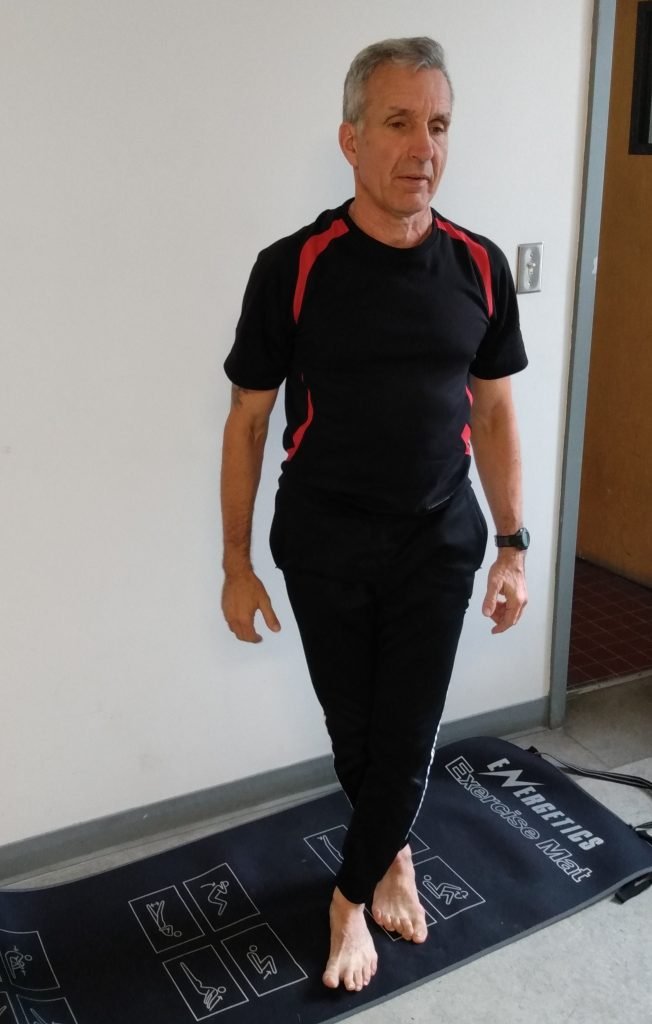
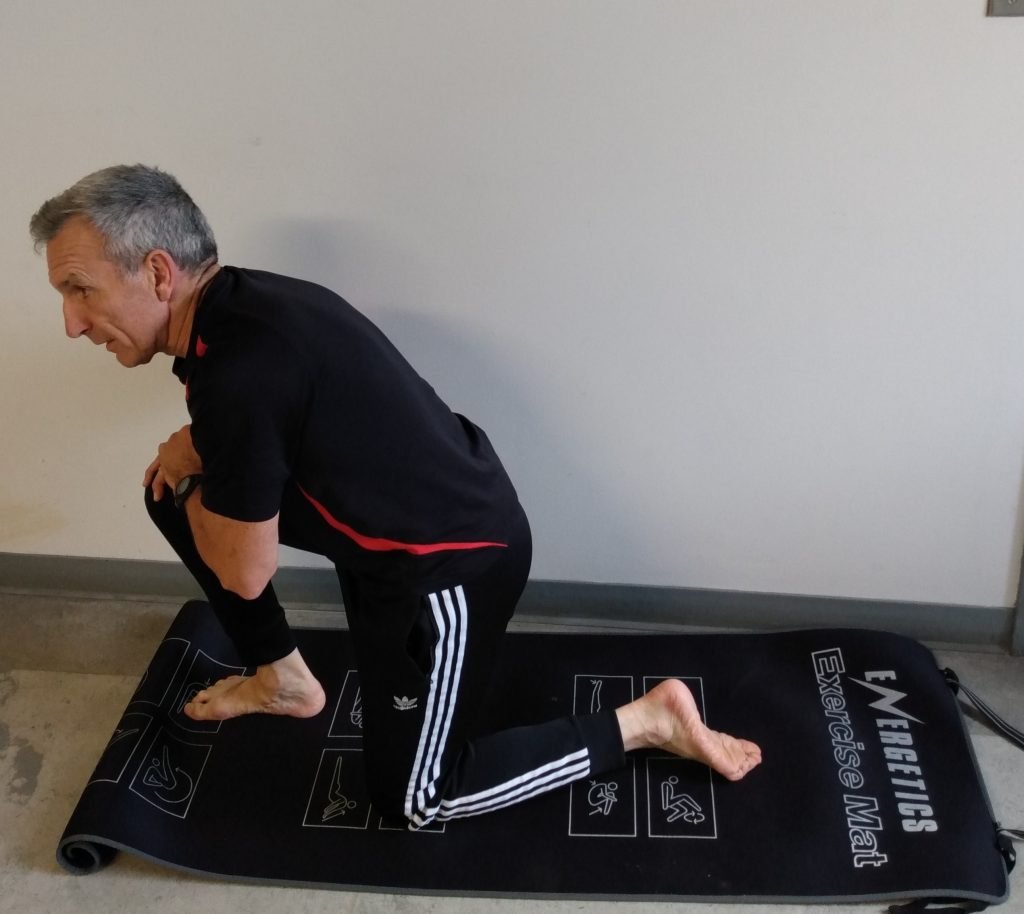
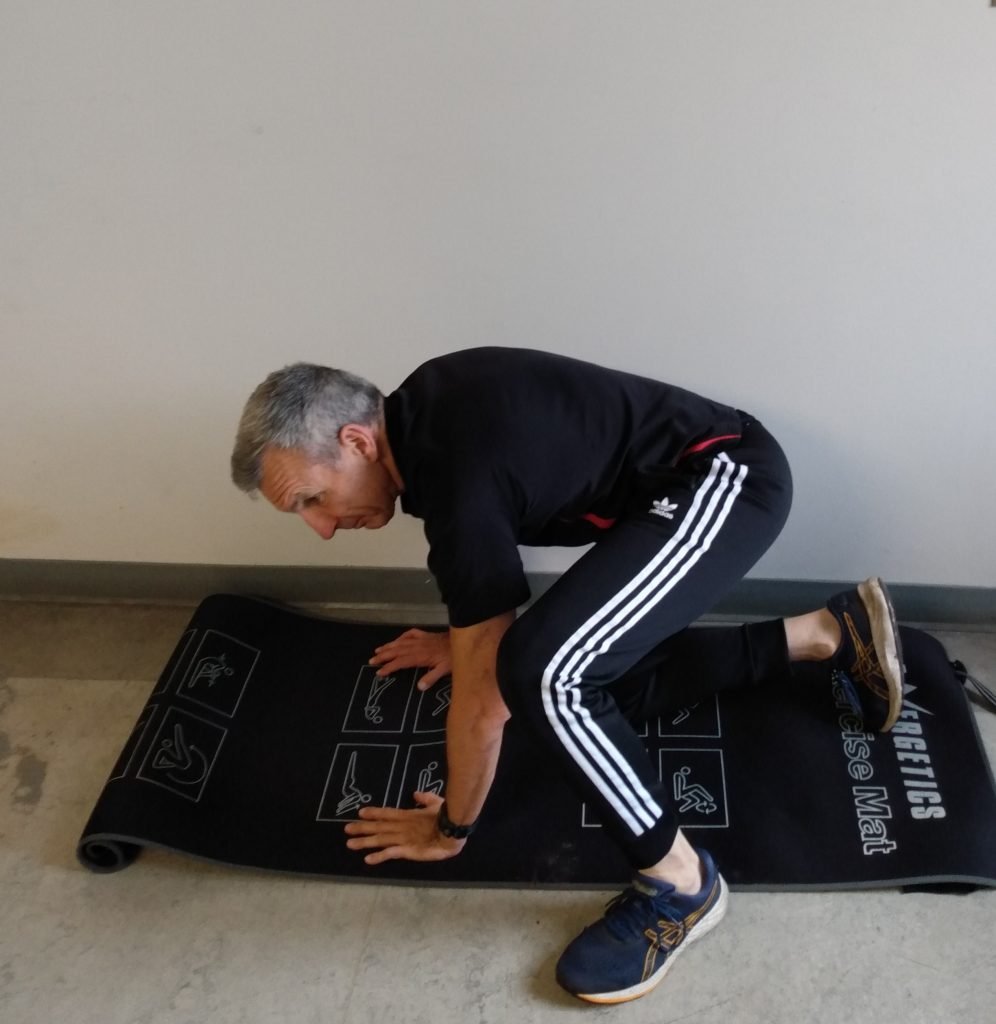
For adults 40–60 who want to age well
Discover Your “Real-World Age” in 3 Minutes with the Sit‑to‑Rise Longevity Test
If You’re 40–60 and Feeling “Older” Than You’d Like, You’re Not Alone
As we move through our 40s and 50s, many of us notice the same things:
-
Getting off the floor isn’t as effortless as it used to be.
-
Joints feel stiffer after sitting, driving, or working at a desk.
-
We’re more cautious on stairs or uneven ground than we were 10–20 years ago.
It’s not that you feel “old” — but you can sense that your body isn’t quite as responsive, springy, or confident as it once was.
The real fear isn’t just wrinkles or the number on the scale.
It’s the thought of becoming fragile: losing mobility, balance, and independence long before you’re ready.
The good news?
Mobility, balance, and strength are trainable at any age — and you don’t need complicated workouts or a gym membership to start.

Meet the Sit‑to‑Rise Longevity Test
-
Reprogram your neuromuscular system to rise with ease.
-
Increase your flexibility, balance and range of motion.
-
Reduce pain and fear of falling down.
-
Stand and move with greater confidence.
WHAT IS THE SIT-TO-RISE TEST?
The Sit-to-Rise Test was developed by Brazilian researchers in exercise physiology and sports medicine in the 1990’s. It involved standing from the cross-legged position to the standing and then back down to the cross-legged position. This test was used to determine how long a person would live.
Does it work?
According to the European Journal of Cardiology, (June 18, 2025) the Sit-to-Rise Test (SRT) is an accurate predictor of longevity. From 1998 to 2023, 4,282 adults, aged from 46 to 75, performed the Sit-to-Rise Test (See below for scoring). Of this group, the death rates were as follows:
-3.7% of the people who scored a maximum of 10.
-11% for a score of 8
-42% for a score of 0-4.
In summary, the lowest scores had a 5-6 times greater risk of dying than the highest scores.
The experiment concluded: “Non-aerobic physical fitness, as assessed by SRT (Sit-to-Rise Test), was a significant predictor of natural and CV (cardiovascular) mortality in 46-75 year old participants.”
HOW TO TEST YOURSELF
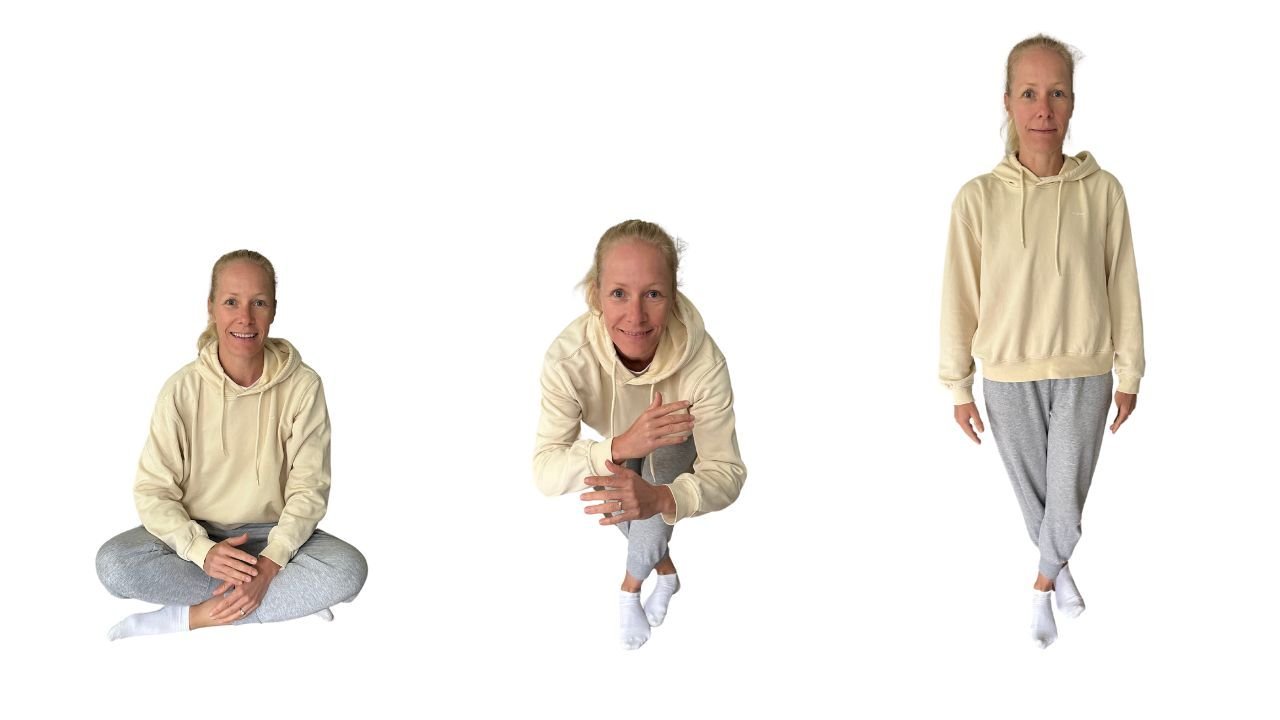
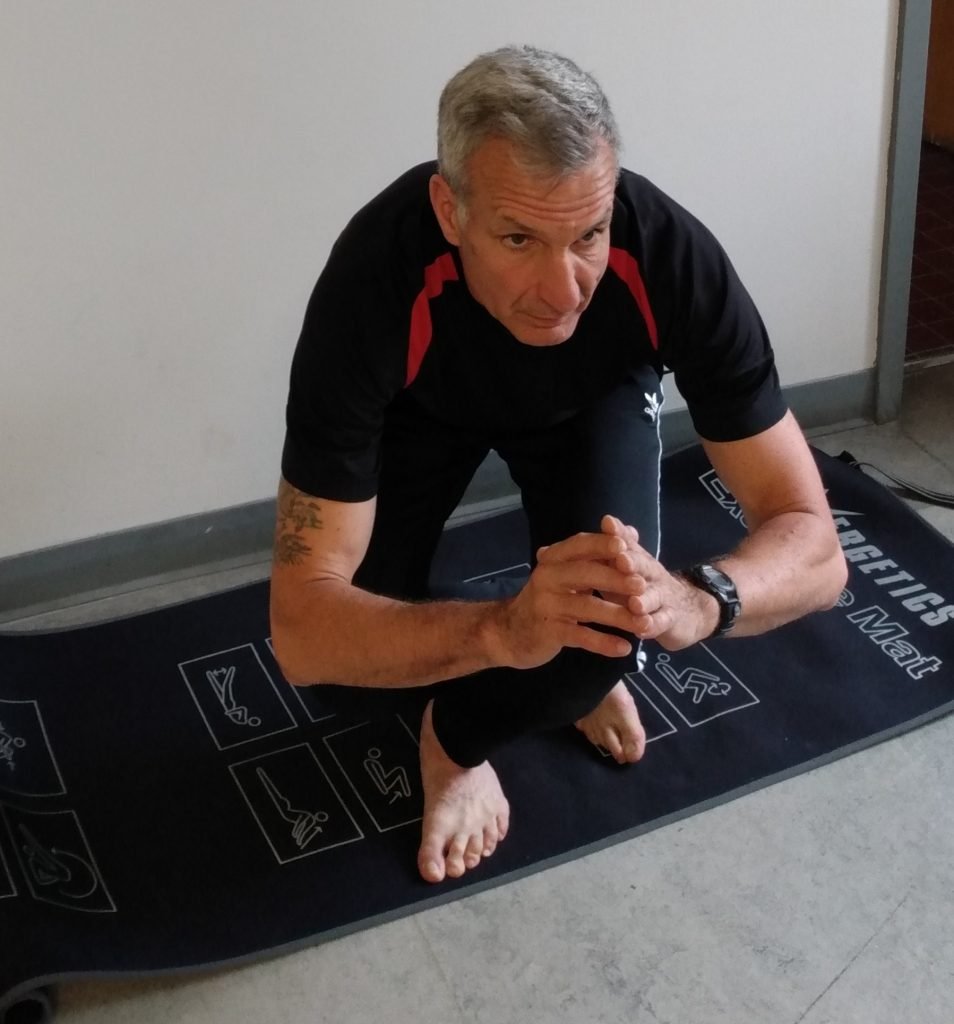
Start from the cross-legged sitting position on the ground (not the chair). Without using your hands, elbows or knees, stand up to the standing position.
Then, while standing, lower yourself to the cross-legged sitting position.
Return to the cross-legged sitting position.
Scoring: 10 points is perfect. 5 points for standing and 5 points for sitting from the standing without the assistance of hands, elbows or knees.
Minus one point for every time a hand, elbow or knee makes contact with the ground or used for support (eg. Both hands on your knees). Even very physically fit people often use a hand or knee in getting up or sitting down.
I created the Sit‑to‑Rise Longevity Course for adults 40–60 who want to:
-
Understand what their Sit‑to‑Rise score actually means
-
Learn how to do the test safely, even if they’re stiff, sore, or out of shape
-
Follow a realistic routine to improve mobility, strength, and confidence
You don’t need to be fit, flexible, or athletic to start.
You just need a little space, a chair or support nearby if needed, and 10–15 minutes a few times a week.
Start the Sit‑to‑Rise Course – Only $19
This course is for you if:
-
You’re between 40 and 60 and want to age well, not just “get older.”
-
You’re starting to feel stiffer, slower, or less confident moving around.
-
You prefer practical, step‑by‑step guidance over long gym workouts.
-
You want to stay independent and active for as long as possible.
This course may NOT be for you if:
-
You want an intense, high-impact fitness program.
-
You are recovering from major surgery or have been told not to exercise without medical supervision (in that case, check with your doctor first).
-
You’re already working with a specialist who has you on a specific, conflicting program.
The Course Creator
I’m Doug Setter, a former army reserves infantry sergeant, paratrooper, marathon runner and competitive kickboxer. I specialize in helping adults 40–60 stay strong, mobile, and confident as they age.
For the past 20+ years, I’ve been working with people who don’t necessarily want to run marathons or lift heavy weights — they just want to:
-
Get up and down from the floor without thinking twice.
-
Keep up with kids or grandkids
-
Travel, garden, walk, and live life without fear of falling or “tweaking” something
-
Having more energy for living
I created this course because I saw how powerful the Sit‑to‑Rise Test can be as a simple, at‑home check‑in — and how much people can improve when they have clear, gentle guidance.
My goal is to take the confusion and fear out of ageing and give you practical tools you can use right away.
I hold a Bachelor of Human Ecology (Foods and Nutrition) from the University of Manitoba. I have trained hundreds of soldiers and civilians in fitness, military skills and outdoor survival. I am a qualified Pilates instructor and have competed in 9 kickboxing matches and completed 5 full marathons. At age 47, I climbed Mt. Rainier. At age 55 I taught military leadership and won 1st place (in my age group) in the Battle River Half Marathon. At age 67, I am completing a diploma in acupuncture.
TESTIMONIALS
“After a few weeks of training with Doug’s course, I can roll up from the ground to standing, in one easy movement.” Steve C. Vancouver, Canada.
(See the video. 64 year old rolls up into standing from the ground.)
You get full, instant access to the entire Sit‑to‑Rise Longevity Course for just:
One‑time payment of $19
No subscriptions. No hidden fees.
If you go through the course and don’t feel clearer, more confident, and better equipped to improve your mobility, simply email me within 30 days and I’ll refund your purchase. No hard feelings.
FREQUENTLY ASKED QUESTIONS
Q1: I’m quite stiff / not very fit. Is this still suitable for me?
A: Yes. This course is designed specifically with 40–60 year olds in mind, including those who feel stiff, out of shape, or nervous about their joints. You’ll see modified versions and guidance to help you work within your own limits.
Q2: What if I have knee, hip, or back issues?
A: Many people in this age group do. I recommend getting clearance from your healthcare provider first. Inside the course, I show you how to set up support (like a chair) and use gentler variations so you can participate safely and comfortably.
Q3: How long does the course take?
A: The core lessons are short and can be completed in about 75 minutes total. The ongoing routine is about 10–15 minutes, a few times per week. You’ll have lifetime access, so you can go at your own pace.
Q4: How quickly will I see results?
A: Everyone is different, but many people notice easier movement and increased confidence within a few weeks of consistent practice. The key is small, regular steps rather than pushing too hard.
I have seen marked improvement after one session.
Q5: Do I need any equipment or a gym?
A: No gym required. You just need a bit of floor space, comfortable clothing, and ideally a chair or stable support nearby.
Q6: How do I access the course?
A: After you purchase, you’ll receive an email with a login link (or direct access if your platform supports it). You can watch the lessons on your computer, tablet, or phone whenever it suits you.
Q7: Is this a one‑time payment?
A: Yes. The course is a one‑time payment of $19.